A conscious and sustainable stay
Whether you're spending a day, a weekend, or a week in Rotterdam, you can enjoy the city in a mindful way on every level. Here, you take big steps through the city, but with a small footprint. You arrive "green," stay consciously, enjoy sustainable recreation and eat locally. A conscious and vibrant stay awaits you!

Rotterdam Changes
The city is always in motion, and you can see, hear, and feel this when it comes to sustainability. While we’re not there yet, Rotterdam is more alive with sustainability than ever before. In addition to various climate-adaptive measures – from green roofs and water plazas (for rainwater collection during heavy showers) to alternative energy sources and the greening of housing – Rotterdam also encourages conscious, local, and socially responsible entrepreneurship.
The results of this are visible to both residents and visitors, and are experienced daily as the city involves everyone in this transition: together, we tackle challenges and together, we reap the rewards! Everyone – every (sub)culture and every cuisine – can contribute to the city’s sustainability. Put on your mindful glasses and see all around you the places and initiatives that support the city’s sustainable and healthy mission. Want to experience Rotterdam in a conscious and sustainable way? Below, we share some tips and places to visit!
Sustainable travel: from e-bike to electric water cab
On arrival, you will notice that this is an ideal city to explore on foot, by bike or using public transport. Above all, there is plenty of EV shared mobility on offer. With the Rotterdam City Card you will profit from discounts with many local businesses. Something you mustn’t miss is the Rotterdam water cab – the ultimate in Rotterdam water-bound transport – which now includes an electric variant.
As well as having a larger capacity (maximum of 50 passengers), the electric water cab is less polluting and quieter. The aim of the RET (Rotterdam’s public transport company) is to be energy-positive by 2030. All in all, the mindful traveller can easily get from A to B in Rotterdam in a sustainable, effective and attractive manner.
 Iris van den Broek
A sustainable stay: the key to the greenest hotels in Rotterdam
These hotels make their guests aware of water consumption, urge the repeat use of towels and take dedicated action to reduce waste, as well as providing local, organically and/or sustainably made products and dishes. The Green Key certificate is a guide to selecting a hotel that will ensure a sustainable stay. All businesses carrying a Green Key quality label are making an extra effort to spare the environment without compromising comfort and quality. Rotterdam hotels carrying the Gold Green Key can be found all across the city and include:
- Westcord Hotel New York, Kop van Zuid: the former head office of the Holland America Line.
- ss Rotterdam, Katendrecht: overnight stay on a Holland America Line vessel.
- Suite Hotel Pincoffs, Noordereiland: a listed building with a wonderful view in an enchanting environment.
- NHOW Rotterdam, Kop van Zuid: metropolitan sleeping on the iconic De Rotterdam.
- NH Atlanta Rotterdam, city centre: sleep near the Coolsingel in the heart of the city’s shopping centre.
- Bliderberg Parkhotel, city centre: on the Westersingel, next to the city’s cultural heart and the Boijmans Van Beuningen Depot.
- Motto by Hilton Rotterdam City Centre: Located in the city center in the ”Meent” area.
 Iris van den Broek
Explore sustainably: boating while collecting waste and other progressive pursuits
Explore the city in a responsible manner from the water with the prize-winning iKapitein, the world’s first pleasure craft with an integrated waste-collector. Water in the city can be both a curse and a blessing, but by deploying initiatives like a floating office and a floating farm, we utilise the water to its full potential.
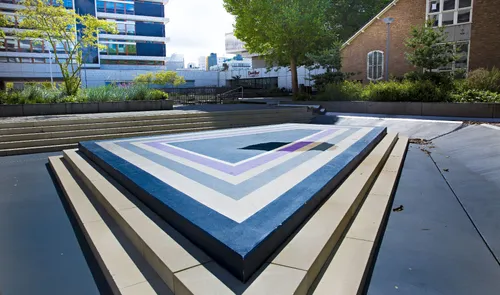
We also know how to handle rain water, for example, stimulating water retention by laying out water squares. This is how we make the city more future-proof and resilient in the face of climate change. Moved by that same motivation, many projects have been started which will enhance the city’s sustainability, for example, the projects of Resilient Rotterdam, which include among other things, more green roofs and parks and floating houses.
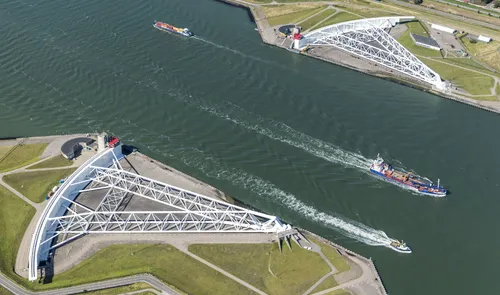
And while we are on the subject of water and resilience, the Maeslantkering definitely deserves a mention. This flood barrier is situated in the New Waterway near Hoek van Holland and features the largest movable parts in the world; it should even be capable of withstanding a tidal wave of 5 metres above NAP (normal Amsterdam water level).
That height does not compare, however, to the roofs of Rotterdam; Skyline City of the Netherlands. It occurred to Rotterdammers that you could do so much more with such an astounding roof surface. Going green was the obvious choice, but the Rotterdam Rooftop Walk, which evolved from the annual Rotterdamse Dakendagen (roof days) allows you to discover the city from a height.
If you want to find out how ‘real Rotterdammers’ handle sustainability in their daily lives, special city tours allow you to discover hidden sites in the city, as well as its residents and entrepreneurs. Arrange a city guide from Around010, Bike & Bite, De Rotterdam Tours or Inside Rotterdam, for example, and you are sure to discover much more of the greenest city in the Netherlands.
 Guido Pijper
Sustainable dining and drinking: tasty and local, so double the satisfaction
You will find many friendly restaurants, run by ambitious entrepreneurs with great passion. Restaurant Rotonde for example; this progressive restaurant is committed to an awareness of many food issues ranging from origin to waste handling, making the restaurant every bit as circular as its name suggests.
Discover Bar Stroom, the new hotspot by BlueCity, in the former Tropicana waterpark. Indulge in seasonal dishes and sustainable beverages crafted with locally-sourced ingredients from BlueCity’s circular FoodHub.
The future of Rotterdam is sustainable
As illustrated by the above-mentioned sites and projects, Rotterdam is working and changing, also when it comes to sustainability. And it’s not just the municipality, but also important players such as the RET transport company and the Port of Rotterdam who are contributing to that objective; sustainability enhancement and change can only be achieved jointly.
The Rotterdam city projects also demonstrate this focus, providing space for residents and visitors alike to meet one another, move and play within a healthy and green environment. At the same time, they provide solutions for the reduction of heat stress and the harvesting of water. Ranging from the port to the Hofbogenpark, roofs and parks, going green and enhancing sustainability are key to the city on the Meuse. Discover it for yourself and pull your weight!
Sustainable Rotterdam
In Rotterdam, residents and entrepreneurs are working on sustainable solutions that combine a smaller footprint with innovation - find out how the city is making a difference!
