Energy
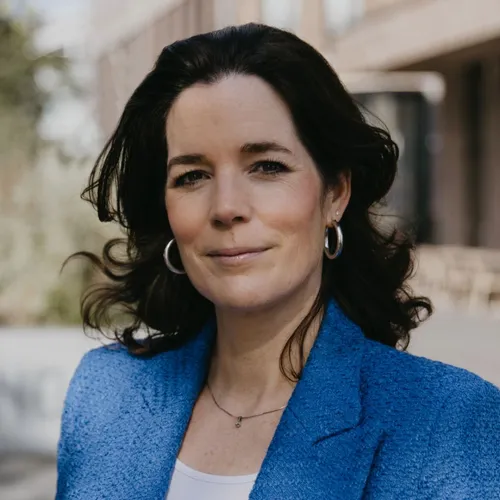
Are you looking for the perfect location to host your next energy (transition) related conference or business event? You have found it: Rotterdam! Our city and region are a vital hub in the Dutch and European energy landscape, playing a central role in both traditional and emerging energy (energy transition) sectors and driving innovation across sectors.

Rotterdam is a key player in national programs like the Dutch Energy Agreement and Climate Agreement, aligning local initiatives with the broader goals of sustainability and decarbonization. These efforts solidify its position as a leader in the global energy transition. Rotterdam’s energy cluster is a vibrant mix of traditional and innovative industries:
Traditional energy strengths
- Petrochemical and refining powerhouse: the region hosts five major refineries, contributing significantly to oil and gas processing.
- Established infrastructure: Rotterdam’s industrial landscape provides a strong foundation for energy-related logistics and distribution.
Innovative energy transition
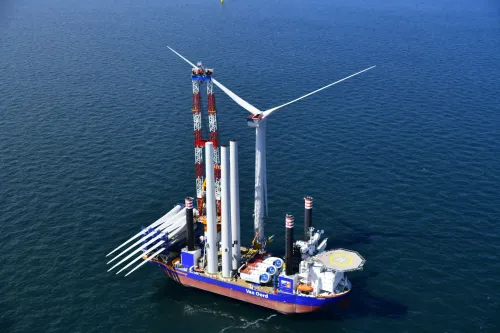
- Renewable energy leadership: offshore wind energy is a rapidly growing sector, with the Port of Rotterdam serving as a logistical hub for North Sea wind projects.
- Hydrogen economy pioneer: Rotterdam is a frontrunner in green hydrogen production and distribution, with major projects driving industrial decarbonization, including the development of cutting-edge infrastructure for the production, storage, and distribution of hydrogen,.
- Circular economy initiatives: the region is advancing waste-to-chemicals technologies and bio-based product development, such as sustainable aviation fuels. Companies like Neste and AVR are transforming waste into energy and bio-based products, advancing sustainable industrial production.
Industrial cluster at a glance
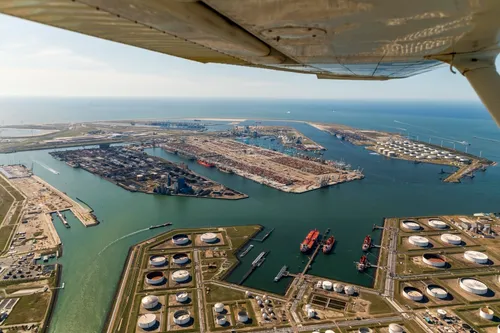
Rotterdam region's energy cluster is a dynamic powerhouse, seamlessly blending traditional fossil fuel industries with cutting-edge renewable energy and sustainability initiatives. Anchored by the Port of Rotterdam, the largest port in Europe, this cluster is a cornerstone of the continent's energy supply chain.
Traditional strengths and sustainable future
Traditional foundations: the region is home to major oil refineries and petrochemical plants, ensuring the reliability of Europe’s energy infrastructure.
Renewable energy growth: Rotterdam is at the forefront of the offshore wind revolution, with the port serving as a key hub for North Sea wind farm projects.
Innovation and collaboration
At the heart of Rotterdam’s energy cluster is a spirit of innovation and collaboration:
PORTHOS and ARAMIS Carbon Capture and Storage projects: aiming to significantly reduce industrial CO₂ emissions, this initiative exemplifies the cluster’s commitment to sustainability.
Research and Development Excellence: leading institutions like Delft University of Technology (TU Delft) and TNO provide cutting-edge research and a steady pipeline of talent, ensuring continuous technological advancement.
Rotterdam’s industrial energy cluster is more than a key player in today’s energy landscape—it is a global leader shaping the future of energy. With its unique balance of traditional strengths and forward-looking initiatives, the cluster is setting the standard for innovation and sustainability in the energy sector.
Robust knowledge cluster
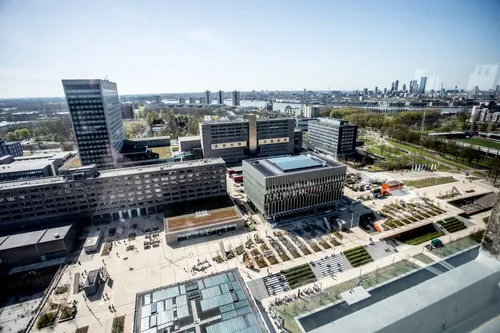
Rotterdam’s success in the energy sector is bolstered by its robust knowledge ecosystem, powered by leading institutions driving research and innovation:
- Delft University of Technology (TU Delft): leader in offshore wind, hydrogen, and sustainable transitions research.
- Netherlands Organization for Applied Scientific Research (TNO): focused on cutting-edge energy technologies like carbon capture and green hydrogen.
- Erasmus University Rotterdam (EUR):providing insights into energy management, policy, and economics through its Rotterdam School of Management, which offers the Executive Leadership Energy Transition Program.
Innovating port
The Port of Rotterdam is not just a logistical hub but also a driver of energy innovation:
PORTHOS and ARAMIS: Carbon Capture and Strorage initiaportxltives: capturing and storing carbon emissions to reduce industrial impact.
Hydrogen Infrastructure Projects: laying the groundwork for a hydrogen-based economy.
PortXL Accelerator: Supporting startups that bring transformative energy solutions to the forefront.
With its combination of traditional strengths, innovative projects, and a thriving knowledge ecosystem, Rotterdam is cementing its position as a global leader in sustainable energy. From cutting-edge hydrogen initiatives to renewable energy logistics, Rotterdam is at the heart of the energy transition, setting the standard for a sustainable future.
 Guido Pijper
Subsectors and companies
Rotterdam's industrial cluster is made up of many local, national and international companies who invest and collaborate to bring their industries and the energy transition forward. Please find below a number of key investors.
Energy/electricity production: Eneco, Uniper
Energy storage and battery solutions: Skoon Energy, S4 Energy, Battolyser Systems, SK TES
Energy Transition consulting: Finco Energies, Equans
Chemicals: Nouryon, Huntsman, ExxonMobil, Air Liquide, Air Products, Hexion, Emerald Kalama, Kemira
Petrochemicals and fuels: BP, Esso/Exxon, Shell
Sustainable fuels: Neste, Alco Energy
Tank storage: Koole Tankstorage, Vopak, Odfjell Terminals, Rubis Terminal, HES Terminals, ACE Terminal (expected to open 2026)
Shaping the future of energy
With its combination of traditional strengths, innovative projects, and a thriving knowledge ecosystem, Rotterdam is emerging as a global leader in sustainable energy. From cutting-edge hydrogen initiatives to renewable energy logistics, Rotterdam is at the centre of the energy transition, setting the standard for a sustainable future.
Showcase projects
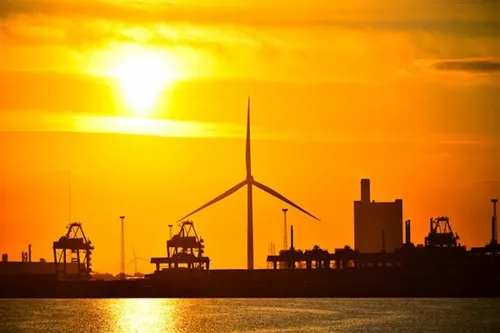
PORTHOS project
In the Porthos project, CO2 from industry in the port of Rotterdam is captured, transported and stored in empty gas fields under the North Sea. On land, some 30 kilometres of pipeline will go into the ground. And in the North Sea another pipeline up to 20 kilometres off the coast. Porthos is expected to be operational in 2026. A clear step towards a climate-neutral Netherlands.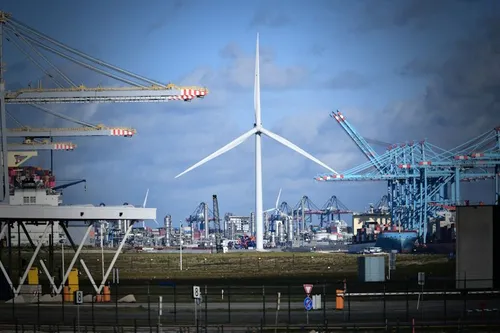
ARAMIS project
The Aramis project, a collaboration of TotalEnergies, Shell, Energie Beheer Nederland (EBN) and Gasunie, aims to make a significant contribution to the energy transition by reducing CO₂ emissions for the hard-to-abate industries. It will do this by offering a decarbonisation solution for the industrial sectors by enabling the transport of CO₂ to depleted offshore gas fields under the North Sea.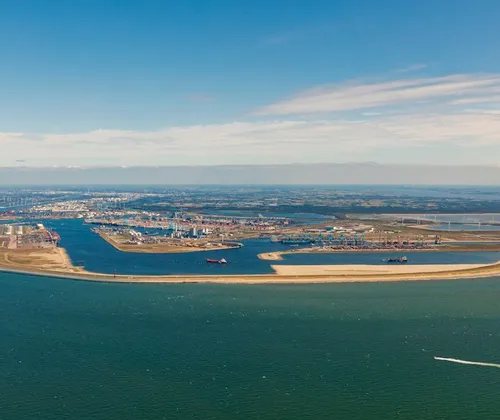
Hydrogen Hub Initiatives
Rotterdam is fast becoming a major hydrogen hub, facilitating the production, import, and distribution of green hydrogen as a sustainable energy carrier. Up-and-running projects are the Rotterdam Hydrogen Pipeline (which will form a critical part of the region's hydrogen infrastructure) and Holland Hydrogen 1 (this will be Europe’s largest green hydrogen plant. Located at Maasvlakte 2).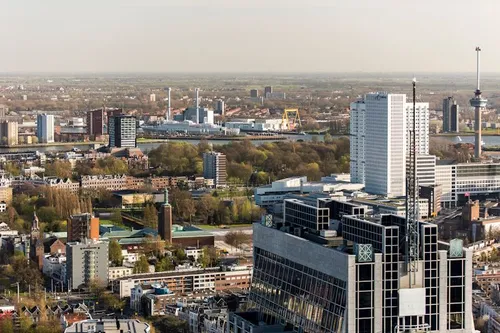
WarmtelinQ
This project involves constructing a pipeline to transport residual heat from the industrial areas in the port of Rotterdam to The Hague. This heat will be used to warm homes and businesses, reducing reliance on fossil fuels. The pipeline construction is well underway and is a cornerstone of Rotterdam's sustainable heating strategy.
More Key Sectors
Rotterdam actively fuels collaboration and innovation in many sectors, making it the ideal destination for conferences and events.
- Life sciences & Health
- IT & Technology
- Urban planning & Smart cities
- Maritime & Offshore
- Energy transition & Circular economy
- Agri, Food & Horticulture