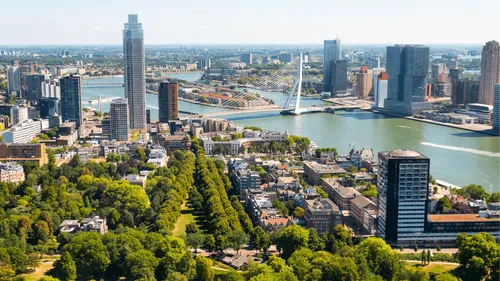
Solar eclipse in Rotterdam: how to watch the 2027 eclipse
On Monday 2 August 2027, you can see a partial solar eclipse from Rotterdam. The eclipse reaches its peak at around 11:04 am, when about 40% of the Sun’s visible surface is covered. Find out when to watch, where to get a clear view and how to enjoy this special natural event safely.
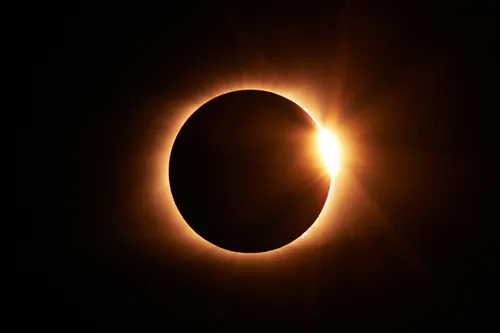
What is a solar eclipse and when can you see it?
A solar eclipse happens when the Moon moves between the Sun and the Earth, blocking some of the sunlight. During a total solar eclipse, the Moon completely covers the Sun as seen from a narrow strip on Earth. In a wider area around this strip, the Moon covers only part of the Sun.
 European Space Agency (ESA)
On Monday 2 August 2027, the partial solar eclipse in Rotterdam begins at around 10:07 am. It reaches its peak at approximately 11:04 am, when almost 40% of the Sun’s visible surface is covered. The eclipse ends at around 12:03 pm. All times are local time in Rotterdam.
The Sun will not be completely covered when viewed from Rotterdam. At the peak of the eclipse, it will be in the south-east, about 43 degrees above the horizon. Choose an open spot with a clear view in that direction.
 European Space Agency (ESA)
A total solar eclipse in southern Europe and North Africa
While Rotterdam will see a partial eclipse, the solar eclipse on 2 August 2027 will be total in other places. The area where the Moon completely covers the Sun passes through the far south of Spain and parts of Morocco, Algeria, Tunisia, Libya and Egypt, before continuing towards the Middle East.
During a total solar eclipse, the Moon moves completely in front of the Sun. The sky becomes dark for a short time, and the Sun’s outer atmosphere, known as the corona, becomes visible around the Moon.
This eclipse is especially remarkable because of its length. In some places, the Sun will be completely covered for more than six minutes. This makes the 2027 eclipse one of the longest total solar eclipses of this century.
How to watch the solar eclipse safely
Never look directly at the Sun without proper eye protection. This also applies when the Moon covers a large part of it.
Use reliable eclipse glasses designed for looking directly at the Sun that meet the ISO 12312-2 safety standard. Regular sunglasses do not offer enough protection.
Using a camera, binoculars or a telescope? Fit a suitable solar filter securely over the front of the lens or lenses. Eclipse glasses alone do not provide enough protection when using these devices.
In Rotterdam, the eclipse will remain partial throughout. Keep your eclipse glasses on whenever you look directly at the Sun.
Where can you watch the solar eclipse in Rotterdam?
For the 2027 eclipse, choose an open spot with a clear view towards the south-east. As the Sun will be fairly high in the sky at the peak of the eclipse, there are several suitable places in and around Rotterdam.
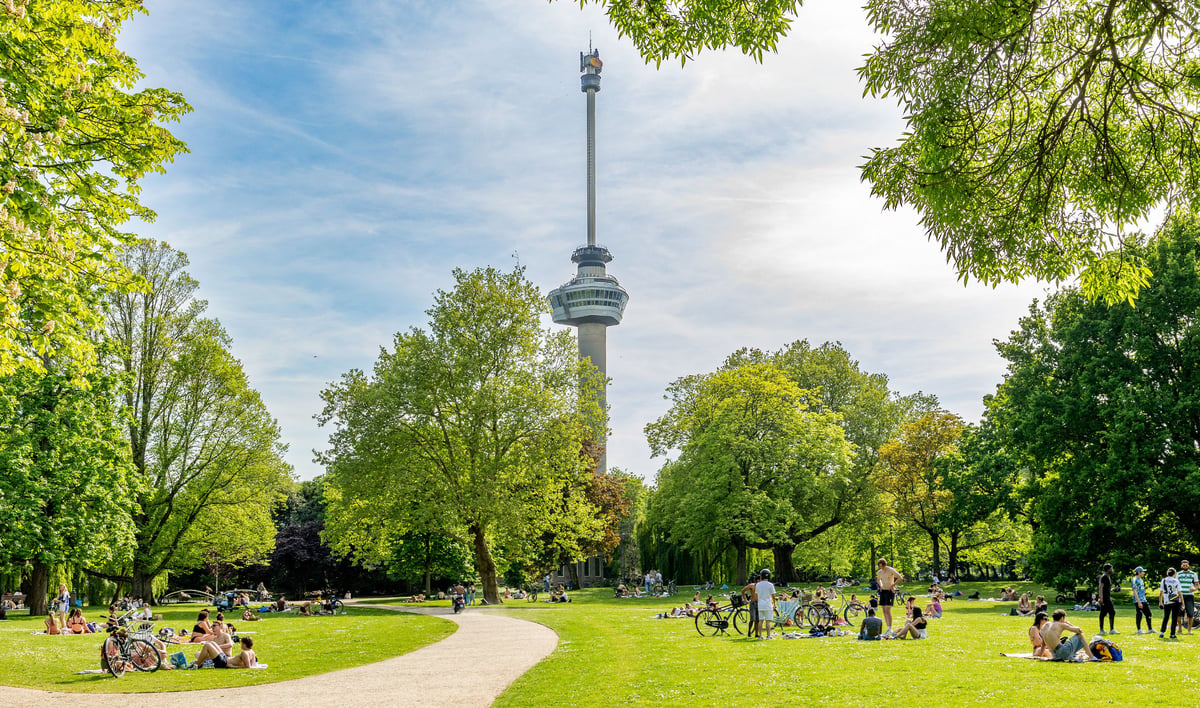
Euromast
Enjoy views across Rotterdam from the Euromast. Combine watching the eclipse with lunch in the restaurant and take in the views during this special natural event. Check the opening hours and the availability of any special time slots before your visit.-25%with the Rotterdam City CardHotel New York
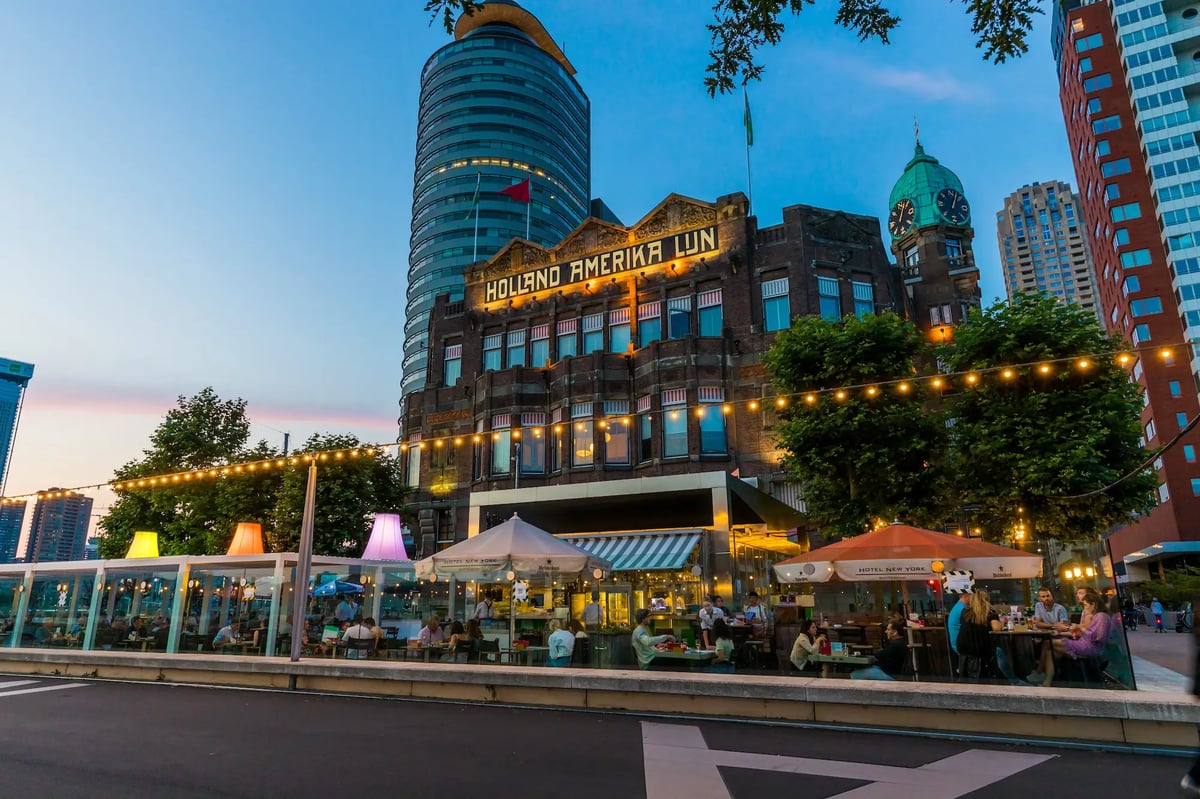
There are several open spaces along the Nieuwe Maas with clear views of the sky, including spots on the Kop van Zuid near Hotel New York. Check that your chosen spot has a clear view towards the south-east.-25%with the Rotterdam City CardKralingse Plas
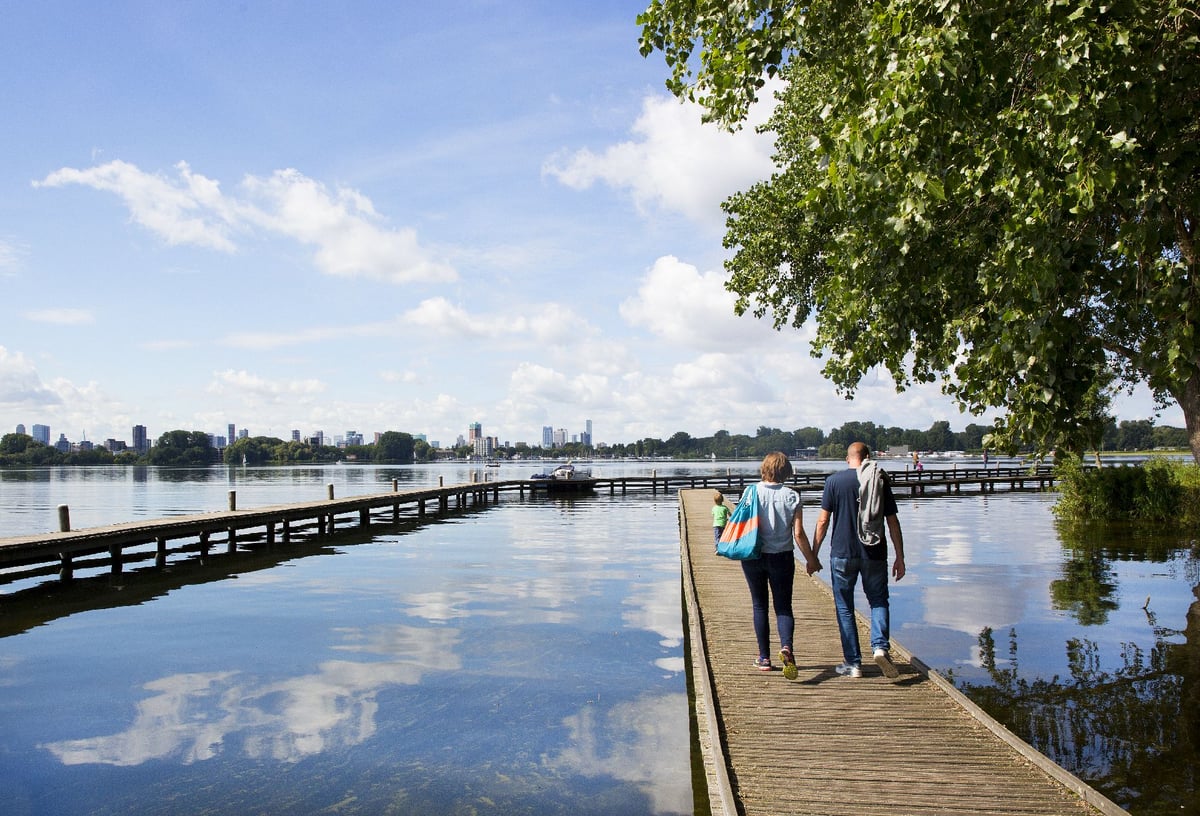
Around Kralingse Plas lake, you will find several open spaces with wide views across the water. Choose a spot where trees and buildings do not block your view towards the south-east.Laurenskerk
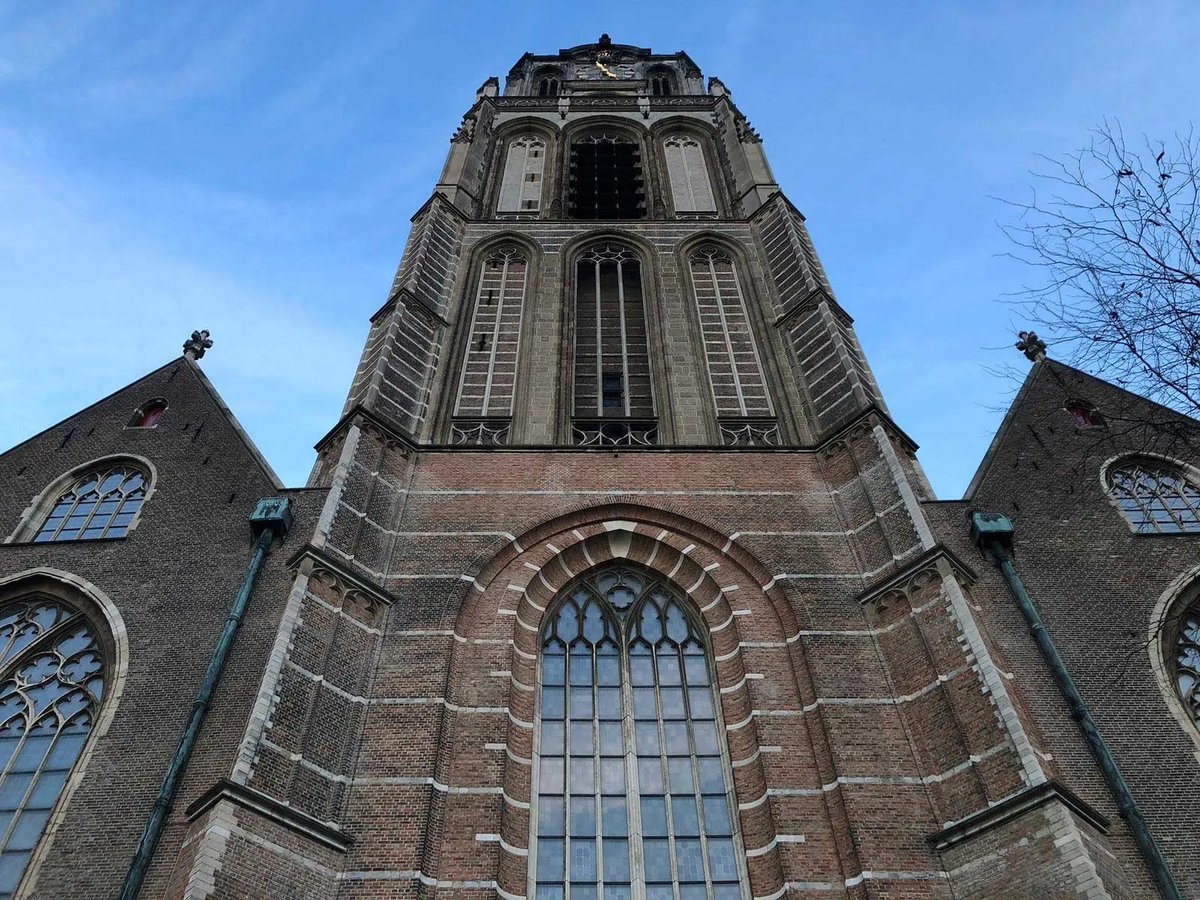
Climb 365 steps for a special view over Rotterdam and discover the interactive experience 365 treden door de tijd (365 steps through time) along the way. Check the opening hours and the availability of any special time slots before your visit.-25%with the Rotterdam City Card

Stay up to date with Rotterdam
Find inspiration in the latest hotspots, unexpected places, cultural highlights and events you will not want to miss. Sign up for the Rotterdam Tourist Information newsletter.